Whether you’re new to bartending or refining your technique, using a jigger correctly is one of the most important foundational skills in cocktail making. This guide covers how to use every type of jigger — double, rolled edge, handled, single, and multi-capacity — with tips for speed, accuracy, and clean pouring.
Why Jigger Technique Matters
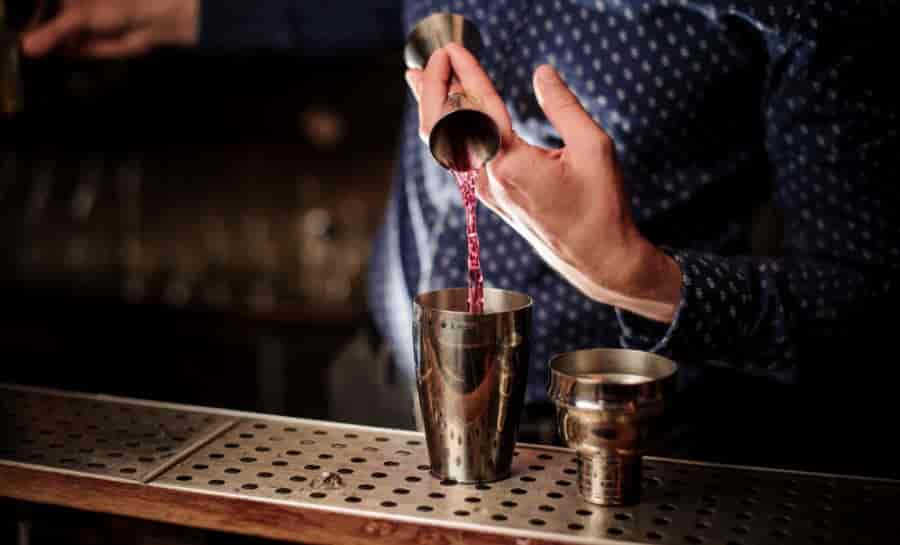
Owning a quality jigger is only half the equation. How you use it determines whether your measurements are truly accurate — and accuracy is what separates a consistently excellent cocktail from a hit-or-miss one.
Common jigger mistakes — overfilling, surface tension errors, poor grip, slow pouring — can add or subtract 5–10ml per ingredient without the bartender noticing. Across multiple ingredients and multiple drinks per shift, that adds up to significant inconsistency in both flavor and cost.
Good jigger technique is fast, clean, and precise. It takes a little practice to develop but quickly becomes muscle memory. Here’s how to do it correctly.
What You Need Before You Start
- Your jigger (double, rolled edge, handled, or single — technique varies slightly by type)
- A shaker tin or mixing glass to pour into
- Your recipe, with ingredient volumes noted in ml or oz
- A clean, stable bar mat or surface
How to Use a Double Jigger (Standard & Rolled Edge)
The double jigger — including the rolled edge variant — is the most widely used jigger format in professional bars. The technique is the same for both; the rolled edge simply makes the pour slightly smoother and more controlled.
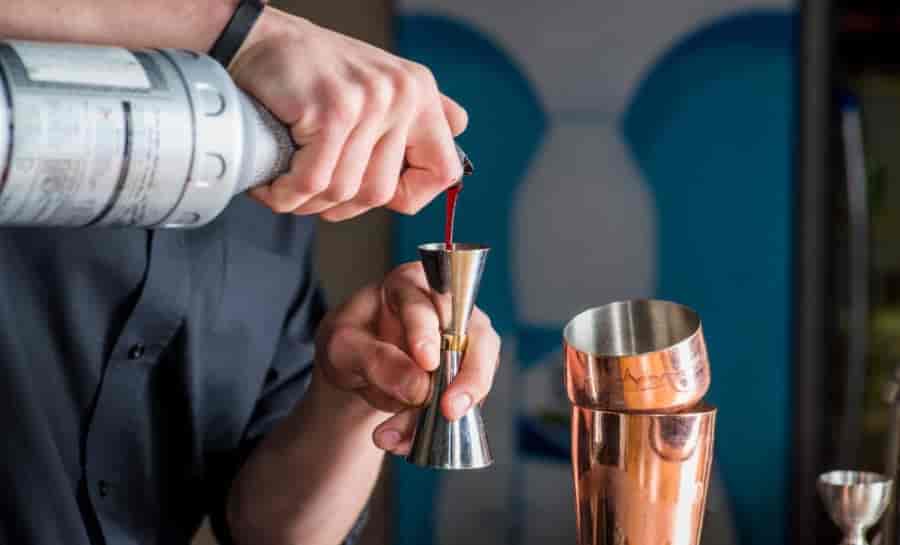
Step 1: Choose the correct side Identify which side of the double jigger holds the volume you need. The larger cup is typically marked on the bottom (e.g. 60ml / 2oz) and the smaller cup on top (e.g. 30ml / 1oz) when the jigger is in its natural resting position. Flip it to use the other side.
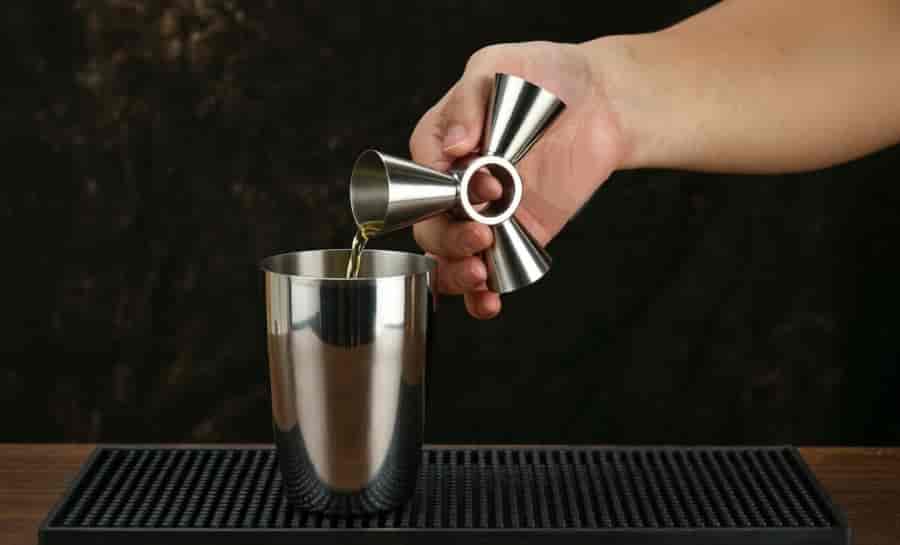
Step 2: Grip the jigger correctly Hold the jigger between your index finger and middle finger at the waist — the narrow junction between the two cups. Your thumb rests against the side for stability. This grip gives you precise control when tipping and pouring, and keeps your fingers clear of the rim for a clean pour.
Alternatively, some bartenders prefer to grip the waist with the thumb and index finger in a pinch grip. Use whichever feels more stable and controlled for you.
Step 3: Position over the shaker or glass Hold the jigger directly over the mouth of your shaker tin or mixing glass — close enough that any drips fall inside, not on the bar. Keep it at a slight angle pointing downward into the vessel.
Step 4: Fill to the rim Pour your ingredient into the jigger in a smooth, controlled stream. Fill to the very top of the rim — a slight surface tension dome is fine and actually indicates a precise, full measure. Do not stop short of the rim (under-measure) or allow liquid to spill over (waste and mess).
For a rolled edge jigger, the outward-curved rim makes it easier to fill cleanly to the top without spillage — the curve provides a visual indicator of the fill line and helps control the pour.
Step 5: Pour immediately and completely As soon as the jigger is full, tip it smoothly into the shaker or glass. Pour in one clean motion — tip fully so all the liquid transfers. Hesitating mid-pour causes drips and an incomplete measure. Keep the jigger moving until it is fully inverted and empty.
Step 6: Reading internal markings (if applicable) If your jigger has internal measurement markings (laser-etched lines inside the cup), fill to the relevant line rather than the rim. Hold the jigger at eye level and check the liquid surface against the etched line — the bottom of the liquid’s meniscus should align with the mark. Good bar lighting is important here; if visibility is low, slow down slightly to ensure accuracy.
How to Use a Jigger with a Handle
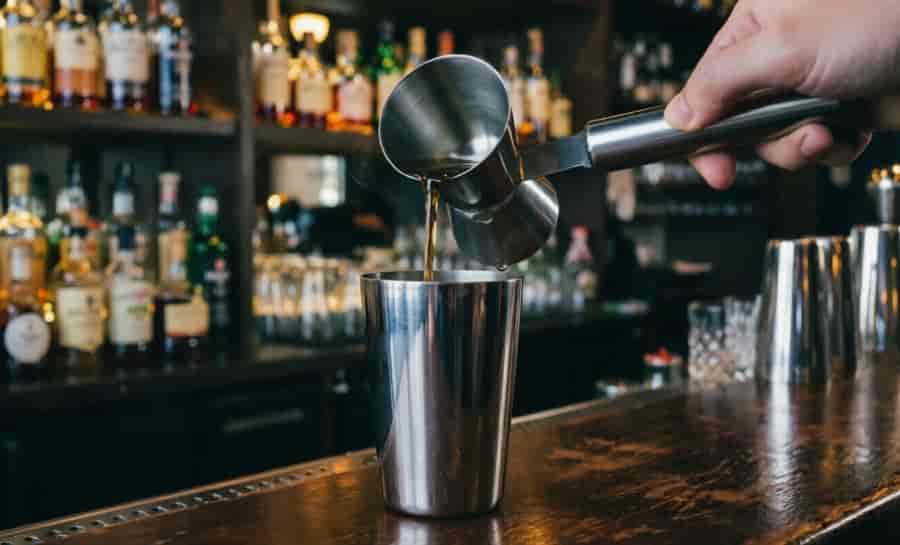
The handled jigger uses the same fill-and-pour technique as a standard double jigger, with one key difference: grip the handle, not the waist.
Wrap your hand around the handle naturally — the same way you’d hold a small ladle or measuring spoon. This gives a more secure, full-hand grip that reduces the chance of dropping the jigger during a fast-paced service. The handle also allows you to pick the jigger up from a bar mat or surface quickly without fumbling for the narrow waist.
Fill to the rim of the desired side and pour in the same smooth, complete motion. The longer handle means the jigger tip is slightly further from your hand, so be mindful of your pouring angle to keep liquid flowing cleanly into the vessel below.
Best for: High-volume service, bartenders who prefer ergonomic tools, situations where the jigger is frequently set down and picked back up.
How to Use a Single Jigger with Internal Markings
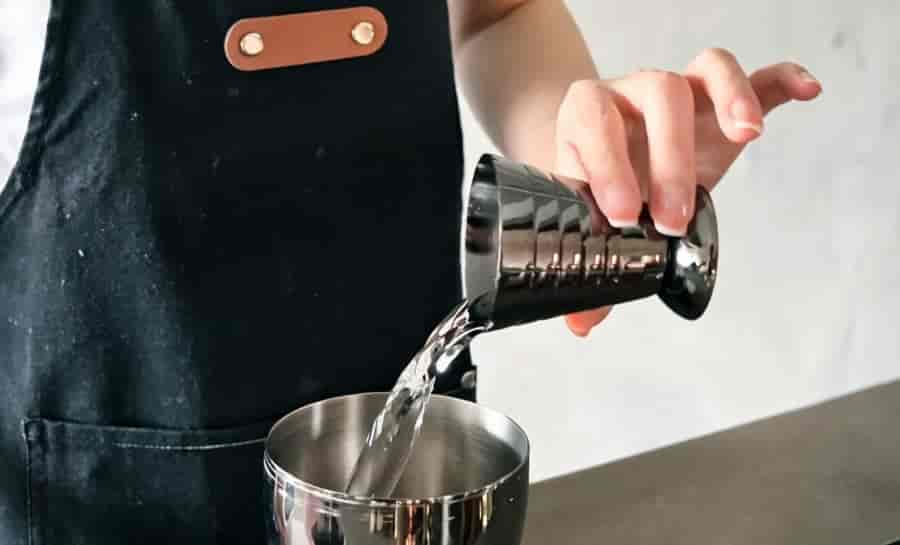
The single jigger — such as the 75ml single cup with internal marks at 15 / 20 / 30 / 45 / 60 / 75ml — works slightly differently from a double jigger since there is no flipping involved. All measures come from one orientation.
Step 1: Hold upright Hold the jigger upright — wide mouth at the top — either by the body or by any handle if present.
Step 2: Pour and read at eye level Pour your ingredient slowly into the cup. As you pour, bring the jigger to eye level to read the internal markings accurately. The liquid surface should align with the bottom of the relevant etched line.
Step 3: Pour into the vessel Tip the jigger completely into the shaker or glass in one smooth motion, just as you would with a double jigger.
Tip: Single jiggers with internal markings require slightly more care than rim-fill jiggers because you are reading a mid-cup level rather than simply filling to the top. Take an extra moment to confirm the fill level before pouring, particularly for small measures (15ml, 20ml) where a few millimetres makes a noticeable difference.
How to Use a Multi-Capacity Jigger
The multi-capacity jigger — with multiple individual cups arranged in a ring or star-shaped frame — is the fastest format for recipes requiring several different measurements in quick succession.
Step 1: Identify the correct cup Each cup in the frame is labeled with its volume. Rotate the frame or position your hand to access the cup that matches the volume you need.
Step 2: Fill to the rim Pour your ingredient into the selected cup, filling to the rim. Each cup is precisely sized for its marked volume — a full cup equals the stated measure.
Step 3: Pour completely Tip the frame to pour the cup’s contents into the shaker or glass.
Tip: Keep the multi-capacity jigger clean and dry between uses during service — with multiple cups open at once, cross-contamination of ingredients is possible if cups are not rinsed or dried between different spirits or mixers.
Common Jigger Mistakes (and How to Fix Them)
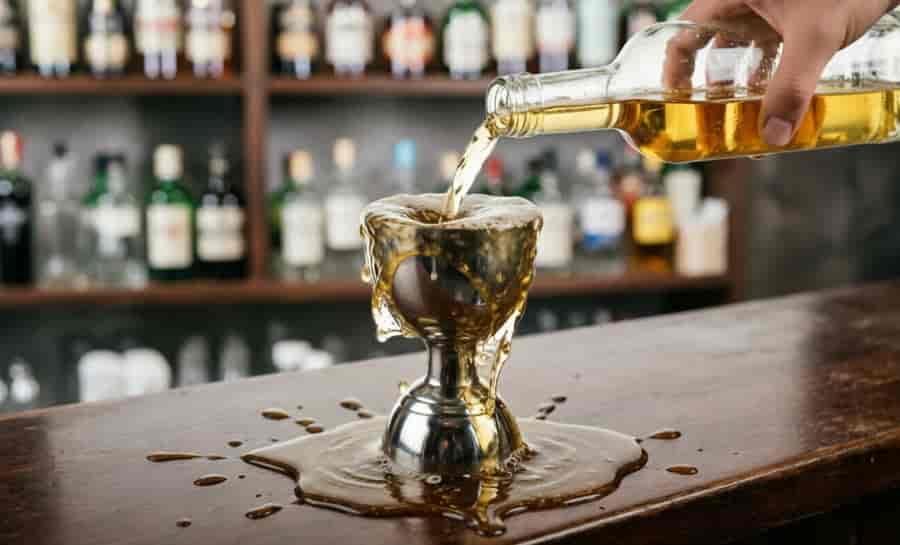
Mistake 1: Not filling to the rim Stopping even 2–3mm short of the rim can mean 5–8ml under-measure on a 30ml cup — a significant proportional error. Always fill completely to the rim (or to the internal mark).
Mistake 2: Slow pouring into the jigger Pouring too slowly from the bottle into the jigger allows liquid to cling to the bottle lip and drip outside the jigger. Pour at a steady, moderate speed for a clean stream.
Mistake 3: Hesitating when pouring out Tipping the jigger partway and then pausing causes drips down the outside of the jigger onto the bar. Commit to a full, smooth tip in one motion.
Mistake 4: Gripping the rim Holding the jigger by the rim (cup edge) rather than the waist or handle makes it harder to fill completely and increases the chance of accidental spills from fingers touching the liquid surface.
Mistake 5: Not reading internal marks at eye level Reading an internal mark from above introduces a parallax error — the line appears to be at a different level than it actually is. Always bring the jigger to eye level for internal mark readings.
Mistake 6: Putting the jigger down between measures without rinsing In recipes with multiple ingredients, residue from the first ingredient remains in the jigger and contaminates the next measure. Rinse the jigger between different ingredients, or wipe it out quickly if rinsing is too slow for the service pace.
Jigger Technique Tips from Professional Bartenders
Keep it moving — In a busy bar, efficient jigger use means minimizing the time between bottle, jigger, and shaker. Practice the fill-and-pour in one fluid motion until it becomes automatic.
Use both sides of the double jigger in the right order — Measure your smaller ingredients first (modifiers, syrups, citrus), then the larger spirit pour. This prevents any accidental over-pour of an expensive spirit from affecting smaller measures already in the shaker.
Watch the surface, not the sides — When filling to the rim, focus on the top surface of the liquid rising toward the rim, not the side of the jigger. You will see the surface tension dome form just before it overflows — stop there.
Match your jigger to your recipe region — If your cocktail program uses oz-based classic recipes, work with an oz/ml dual-marked jigger or commit to a 30ml/60ml standard. Mixing mental math between oz and ml mid-service slows you down and introduces errors.
Keep a spare jigger at your station — In high-volume environments, having two jiggers allows one to be rinsing while the other is in use, maintaining pace without cross-contamination.
How to Clean a Jigger
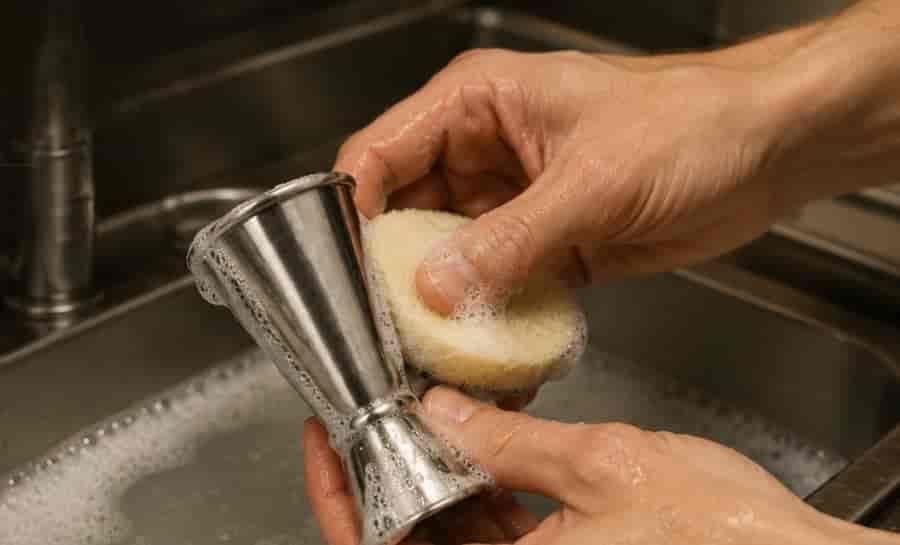
During service: Rinse the jigger under hot running water between different ingredients — particularly when switching between spirits and syrups, or between spirits and citrus. A quick shake to remove water before the next use is sufficient.
End of service: Wash with warm soapy water or run through the dishwasher. For jiggers with internal measurement markings, use a soft brush or cloth to clean inside the cup — avoid abrasive scourers that can scratch the etched marks.
For PVD-coated jiggers: Hand wash only — dishwasher detergents can dull PVD finishes over time. Warm water and mild soap maintain the color coating.
For hammered finish jiggers: The textured surface can trap residue in the recesses — a soft brush helps clean these areas thoroughly.
Which Jigger Style Is Easiest to Use?
| Jigger type | Ease of use | Best for |
|---|---|---|
| Double jigger (standard) | ★★★★☆ | All-purpose, most bars |
| Rolled edge double | ★★★★★ | Cleaner pour, less drip |
| Handled double | ★★★★★ | High-volume, ergonomic preference |
| Single with internal marks | ★★★☆☆ | Precision, no flipping |
| Multi-capacity ring | ★★★☆☆ | Complex recipes, fast access |
For beginners, the rolled edge double jigger is the easiest starting point — the curved rim makes it easier to fill cleanly and pour without drips compared to a straight-edged double jigger.
Frequently Asked Questions
How do you hold a jigger?
Hold the jigger at the waist — the narrow junction between the two cups — between your index and middle fingers, with your thumb on the side for support. This grip gives you control when tipping and keeps your fingers away from the rim. For handled jiggers, grip the handle naturally as you would a small ladle.
Do you fill a jigger to the top?
Yes — for rim-fill jiggers (standard double, rolled edge), fill completely to the top of the rim. A slight surface tension dome is acceptable and indicates a precise full measure. For jiggers with internal markings, fill to the relevant etched line rather than the rim.
How do you read internal jigger markings accurately?
Hold the jigger at eye level and observe the bottom of the liquid’s curved surface (the meniscus) aligning with the etched mark. Reading from above causes parallax error and inaccurate measurement.
Should you rinse a jigger between uses?
Yes, particularly when switching between different ingredients. A quick rinse under hot water between measures prevents cross-contamination of flavors. At the end of service, wash thoroughly with warm soapy water.
How do professional bartenders use a jigger so fast?
Speed comes from practicing the fill-and-pour as one continuous motion — bottle to jigger to shaker without pausing. Professionals also choose the right jigger style for their workflow: a rolled edge or handled jigger reduces fumbling, and having ingredients pre-arranged in a logical order minimizes the time between measures.
Can you use a jigger for non-alcoholic ingredients?
Yes. Jiggers are used for any liquid ingredient in a cocktail — juices, syrups, cream, egg white, bitters. Precise measurement of non-alcoholic modifiers is just as important as measuring spirits for achieving the intended flavor balance.
Sourcing Jiggers for Your Business?
If you’re a bar supplier, importer, brand owner, or hospitality distributor looking to source cocktail jiggers at scale, we manufacture and wholesale the full range of jigger styles for B2B clients worldwide — double, rolled edge, handled, single, bell, stepped, spouted, and multi-capacity.
Why work with us:
- 🏭 Factory direct — competitive wholesale pricing across all jigger styles and configurations
- 🎨 Full OEM customization — custom logo (laser engraving, screen print, embossing), surface finish (mirror, brushed, hammered, PVD color), measurement markings (oz / ml / dual), and packaging
- ✅ Certified & compliant — FDA, LFGB (EU), and ISO certified; full material documentation provided
- 📦 Low MOQ — orders from 200 pcs per SKU
- 🌍 Global shipping — serving clients across North America, Europe, Australia, and Asia
Browse our cocktail jigger product range or contact us for custom OEM solutions.
Related reading: What Is a Jigger? The Bartender’s Measuring Tool Explained | Types of Cocktail Jiggers: Single, Double, Multi-Capacity and How to Choose | Cocktail Jigger Sizes & Measurements: The Complete Guide