Everything you need to know about cocktail shakers in one place — from shaker types and materials to strainers, jiggers, and how to source the right barware for your business.
What Is a Cocktail Shaker?
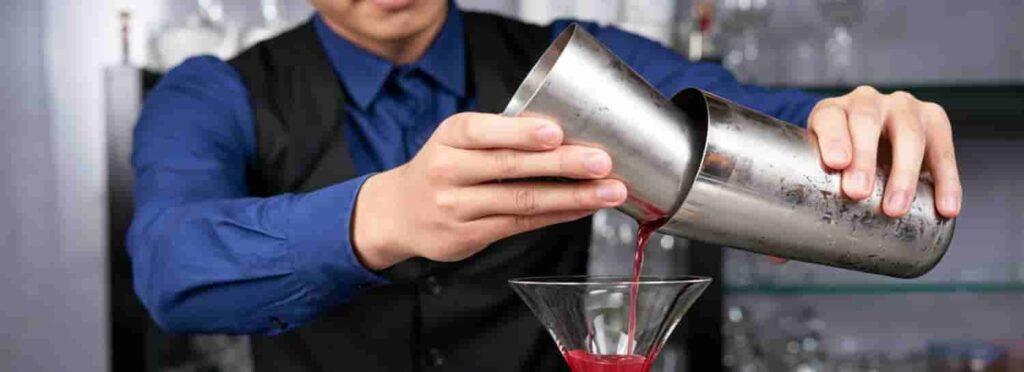
A cocktail shaker is the centerpiece tool of any bar setup. It is used to mix, chill, and blend drink ingredients — spirits, juices, syrups, and ice — into a unified, well-balanced cocktail. Most shakers consist of two or three parts: a base that holds the liquid and ice, a lid or cap, and sometimes a built-in strainer.
Beyond function, the cocktail shaker is also a statement piece. The sound of a shaker in motion signals craft and intention — it is as much a part of the bar experience as the drink itself.
For bartenders, choosing the right shaker affects workflow, technique, and drink quality. For buyers and distributors, understanding shaker types and materials is the foundation of building a strong, market-appropriate barware product line.
Types of Cocktail Shakers
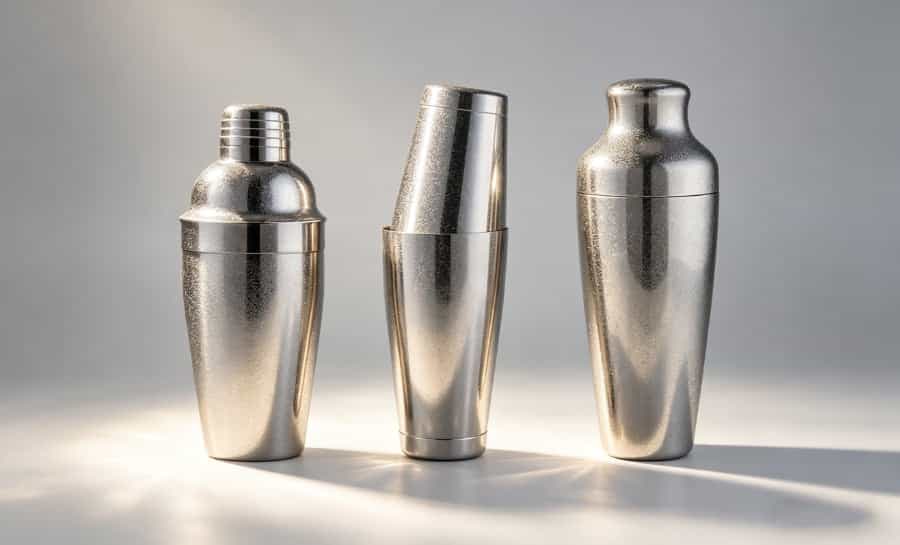
There are three main cocktail shaker styles used in bars and homes worldwide. Each has a distinct design, different strengths, and a different target user.
Cobbler Shaker
The cobbler shaker is a three-piece design — base, lid with built-in strainer, and removable cap — and the most recognizable shaker style worldwide. The cap doubles as a measuring cup. Its self-contained design makes it the easiest shaker to use, requiring no separate strainer. It is the top choice for home bars, beginners, and branded promotional barware.
Boston Shaker
The Boston shaker is a two-piece design — a large metal tin and a smaller tin or glass — and the professional standard in commercial bars globally. It requires a separate strainer but offers greater speed, larger capacity (up to 28 oz), and a tighter seal for vigorous shaking. It is the tool of choice for experienced bartenders and high-volume environments.
French Shaker (Parisian Shaker)
The French shaker is also a two-piece design — metal base and metal cap — but with a more tapered, elegant silhouette compared to the Boston. Capacity typically ranges from 18 to 22 oz. Like the Boston, it requires a separate strainer. Its refined aesthetic makes it a natural fit for upscale bars, premium retail lines, and boutique hospitality programs.
→ Read the full guide: Types of Cocktail Shakers — Cobbler vs Boston vs French Explained
Cocktail Shaker Materials: 304 vs 201 Stainless Steel
Material grade is one of the most important specification decisions when sourcing or purchasing a cocktail shaker — it directly affects durability, corrosion resistance, food safety compliance, and price point.
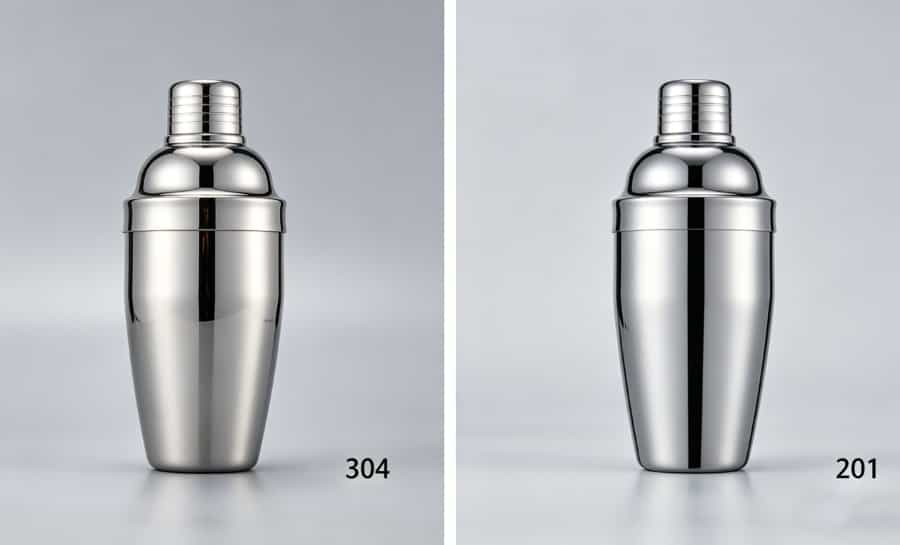
The two most commonly used grades for stainless steel cocktail shakers are 304 and 201:
304 stainless steel (18/8 or 18/10) contains 18% chromium and 8–10% nickel, giving it excellent corrosion resistance, a bright mirror finish, and broad food safety certification compliance (FDA, LFGB). It is the professional standard for premium and commercial barware.
201 stainless steel substitutes a portion of nickel with manganese, reducing raw material cost while maintaining acceptable performance for moderate-use applications. It is a practical choice for value-tier product lines, promotional barware, and price-sensitive retail channels.
| 304 Stainless Steel | 201 Stainless Steel | |
|---|---|---|
| Corrosion resistance | Excellent | Moderate |
| Nickel content | 8–10% | 3.5–5.5% |
| FDA / LFGB compliance | Yes | Conditional |
| Price tier | Higher | Lower (~20–35% less) |
| Best for | Professional / premium retail | Promotional / value retail |
→ Read the full guide: 304 vs 201 Stainless Steel for Cocktail Shakers — What’s the Difference?
Essential Bar Tools to Use with Your Shaker
A cocktail shaker works best as part of a complete bar tool setup. Two tools are indispensable alongside any shaker: a strainer and a jigger.
Cocktail Strainers
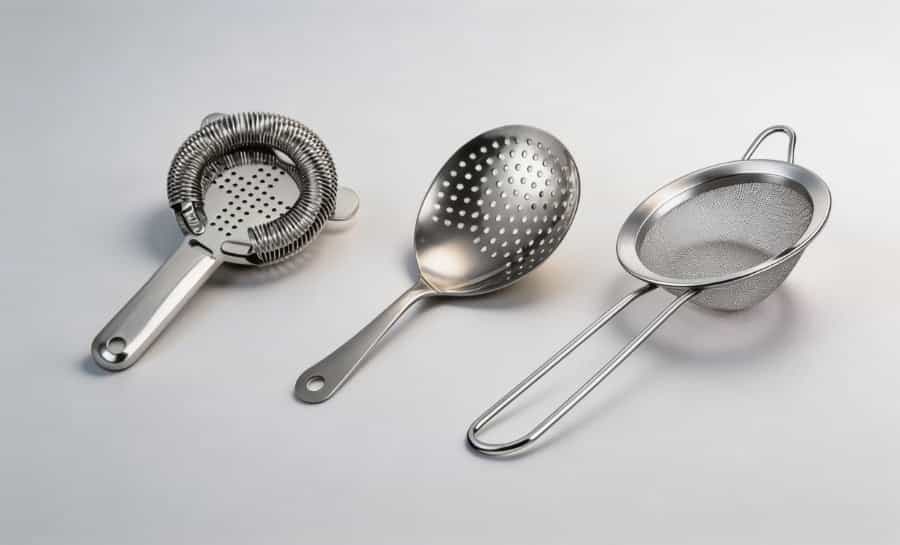
A cocktail strainer separates the liquid from ice, pulp, seeds, and other solids when pouring from the shaker into the serving glass. There are three main types:
Hawthorne strainer — the professional standard, used with Boston shaker tins. Features a coiled spring that filters solids. Available in standard and high-density spring variants for different levels of filtration.
Julep strainer — a perforated spoon-shaped strainer used with mixing glasses for stirred cocktails. Classic design, simple construction.
Fine mesh strainer — used as a secondary filter alongside a Hawthorne or Julep for double straining, producing an ultra-smooth, particle-free cocktail.
→ Read the full guide: Types of Cocktail Strainers — Hawthorne, Julep, and Fine Mesh Explained
Cocktail Jiggers
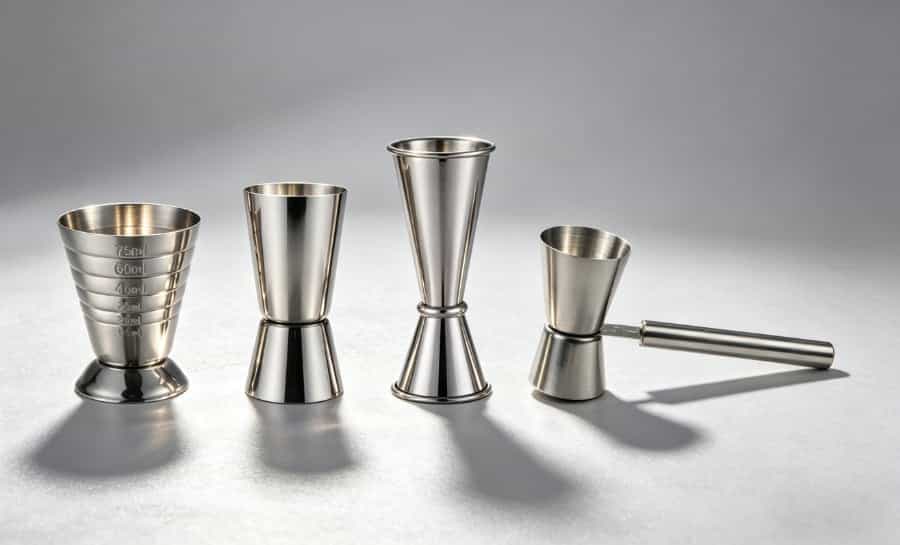
A cocktail jigger is a precision measuring tool that ensures every ingredient is poured in the correct volume — the foundation of a well-balanced, consistent cocktail. There are five main jigger styles:
Single capacity — one cone, internal measurement markings, simple and beginner-friendly.
Double capacity — two-sided hourglass design, the professional standard, no internal markings.
Double with rolled edge — same as double capacity but with a smooth outward-rolled rim and internal markings for added precision and comfort.
Double with handle — ergonomic grip for faster, more comfortable use in high-volume service.
Multi-capacity — multiple individual measuring cups arranged in a ring or star-shaped frame, giving instant access to several volumes without flipping or switching tools.
→ Read the full guide: Types of Cocktail Jiggers — Single, Double, Multi-Capacity and How to Choose
How to Choose the Right Cocktail Shaker
With three shaker types, two material grades, and a range of accessory options, the right choice comes down to four key factors:
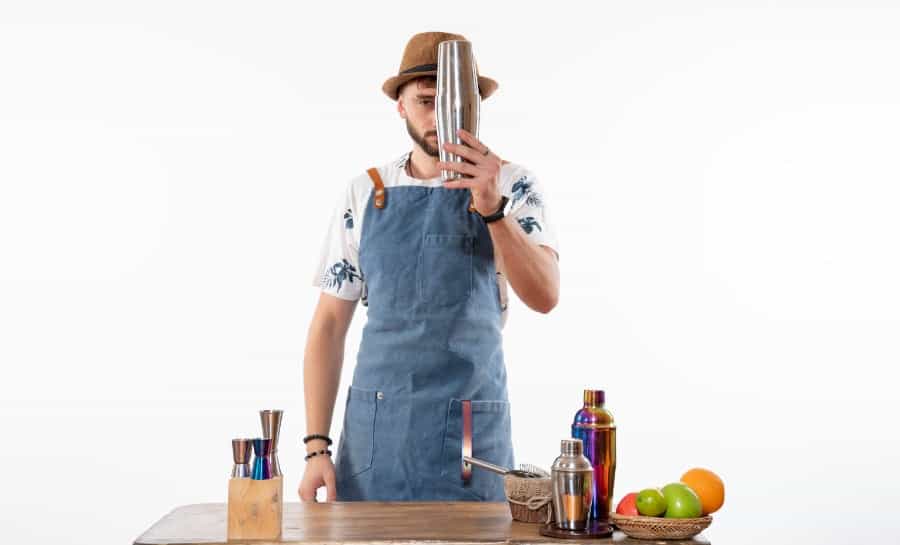
1. User skill level and bar environment For home bars and beginners, the cobbler shaker is the most accessible starting point — no separate strainer required, intuitive to use and clean. For professional bartenders and commercial bars, the Boston shaker is the clear standard — faster, larger capacity, and more efficient under volume.
2. Cocktail volume and batch size If you regularly make cocktails for groups or work in a high-volume environment, the Boston shaker’s larger capacity (up to 28 oz) is a significant advantage. For single-serve home use, the cobbler or French shaker is perfectly adequate.
3. Aesthetic and brand positioning For premium retail, boutique hospitality, or branded barware programs, the French shaker’s refined silhouette and the cobbler’s iconic shape both work well visually. Surface finish — mirror polish, brushed, hammered, or PVD color — further differentiates the product at retail.
4. Material and budget 304 stainless steel is the right call for professional-grade products, premium retail positioning, and markets where FDA or LFGB certification is required. 201 stainless steel is appropriate for value-tier lines, promotional products, and budget-conscious sourcing programs where long-term durability is a secondary concern.
Cocktail Shaker Surface Finishes
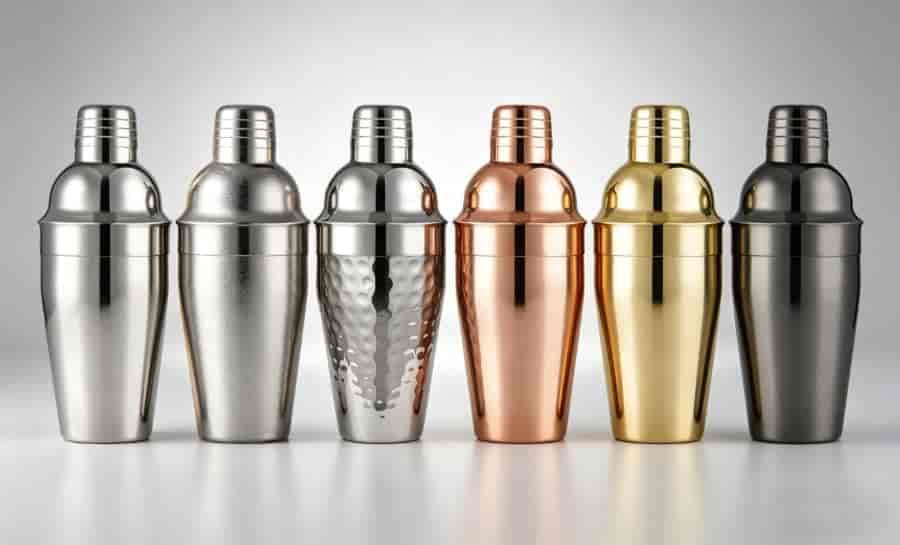
Stainless steel cocktail shakers are available in a range of surface treatments, each suited to different market positioning:
Mirror polish — the classic, high-gloss finish. Timeless, professional, and the most widely used across all shaker types and price points.
Brushed finish — a matte, linear texture that hides fingerprints and scratches better than mirror polish. Popular in contemporary and Scandinavian-influenced bar aesthetics.
Hammered finish — a textured, hand-crafted appearance that adds visual depth and a premium handmade feel. Strong shelf presence and distinctive in product photography.
PVD color coating — physical vapor deposition applies a durable metallic color layer over the stainless steel base. Available colors include gold, rose gold, black, gunmetal, and iridescent rainbow. PVD finishes are significantly more durable than paint or electroplating and maintain food safety compliance.
Frequently Asked Questions
What type of cocktail shaker is best for beginners?
The cobbler shaker is the best starting point for beginners. Its built-in strainer eliminates the need for a separate bar tool, and its three-piece design is intuitive to assemble, use, and clean.
What cocktail shaker do professional bartenders use?
Most professional bartenders use a Boston shaker — typically two stainless steel tins, or one tin and one mixing glass. Its larger capacity, fast seal, and efficient workflow make it the standard in commercial bars worldwide.
What is the best material for a cocktail shaker?
304 stainless steel (18/8) is the professional standard. It offers excellent corrosion resistance, food safety certification compliance (FDA, LFGB), a bright finish, and long service life under daily commercial use.
What is the difference between 18/8 and 18/10 stainless steel?
Both refer to 304 stainless steel. 18/8 contains 18% chromium and 8% nickel; 18/10 contains 18% chromium and 10% nickel. The extra 2% nickel in 18/10 provides marginally better corrosion resistance and a slightly brighter finish, but both are considered premium food-grade stainless steel.
Do I need a separate strainer with a cocktail shaker?
It depends on the shaker type. A cobbler shaker has a built-in strainer — no separate tool needed. A Boston or French shaker requires a separate Hawthorne or Julep strainer. For the smoothest results with any shaker, adding a fine mesh strainer for double straining is recommended.
What size cocktail shaker should I choose?
For home use or single-serve cocktails, 16–24 oz is sufficient. For professional or high-volume use, a Boston shaker tin at 28 oz provides more capacity for ice and ingredients, resulting in better chilling and more efficient batch service.
Can cocktail shakers be customized with a logo?
Yes. Stainless steel cocktail shakers can be customized with laser engraving, screen printing, or embossing. Surface finish, capacity, and packaging can also be specified for OEM and private label orders.
Sourcing Cocktail Shakers & Barware for Your Business?
If you’re a bar supplier, importer, brand owner, or hospitality distributor looking to source cocktail shakers, strainers, jiggers, or complete bar tool sets at scale, we manufacture and wholesale stainless steel barware for B2B clients worldwide.
Why work with us:
- 🏭 Factory direct — no middlemen, competitive wholesale pricing across all product types
- 🎨 Full OEM customization — custom logo (laser engraving, screen print, embossing), surface finish (mirror, brushed, hammered, PVD color), sizing, and packaging
- ✅ Certified & compliant — FDA, LFGB (EU), and ISO certified; full material documentation provided with every order
- 📦 Low MOQ — orders from 200 pcs per SKU
- 🌍 Global shipping — serving clients across North America, Europe, Australia, and Asia
Browse our cocktail shaker product range or contact us for custom OEM solutions.
Complete Bar Tool Guides
- Boston vs Cobbler Shaker: Which One Is Right for You?
- Types of Cocktail Shakers: Cobbler vs Boston vs French Explained
- 304 vs 201 Stainless Steel for Cocktail Shakers: What’s the Difference?
- Types of Cocktail Strainers: Hawthorne, Julep, and Fine Mesh Explained
- Types of Cocktail Jiggers: Single, Double, Multi-Capacity and How to Choose